Get Residential Lawn Aeration
Residential lawn aeration services involve local contractors creating small holes in your yard to relieve soil compaction, improve grass health, and promote better water and nutrient absorption.
Property owners considering lawn care improvements often explore services like residential lawn aeration to promote healthier, more resilient turf. Proper aeration can help alleviate soil compaction, improve nutrient and water absorption, and encourage stronger root growth. If your yard shows signs of thinning, uneven growth, or water pooling, professional aeration might be a practical step to enhance its overall health and appearance. By reviewing local contractors who specialize in lawn care services, you can find experienced providers equipped to handle your property’s needs.
Exploring your options for lawn aeration involves comparing service providers in the area to identify those with the right expertise and approach for your landscape. Many property owners turn to local contractors who understand the specific conditions and challenges of the region’s soil and climate. Continuing to learn about available services can help you plan a project that supports your yard’s long-term vitality and beauty. Contacting local professionals can provide the insights needed to make informed decisions about your lawn care efforts.
- Residential Lawn Aeration - homeowners may need this service to improve soil health and promote healthier grass growth.
- Soil Compaction Relief - property owners experiencing compacted soil that restricts root development can benefit from aeration.
- Thatch Removal - those noticing a thick thatch layer that prevents water and nutrients from reaching grass roots might seek aeration.
- Overseeding Preparation - individuals planning to overseed their lawns for thicker turf can benefit from aeration to enhance seed penetration.
- Lawn Renovation - property owners undertaking lawn renovation projects to restore or rejuvenate their yard may require aeration services.
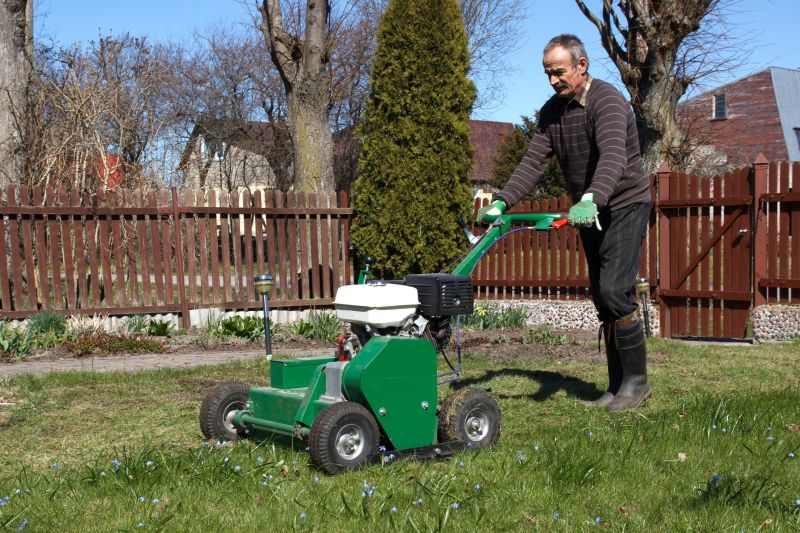
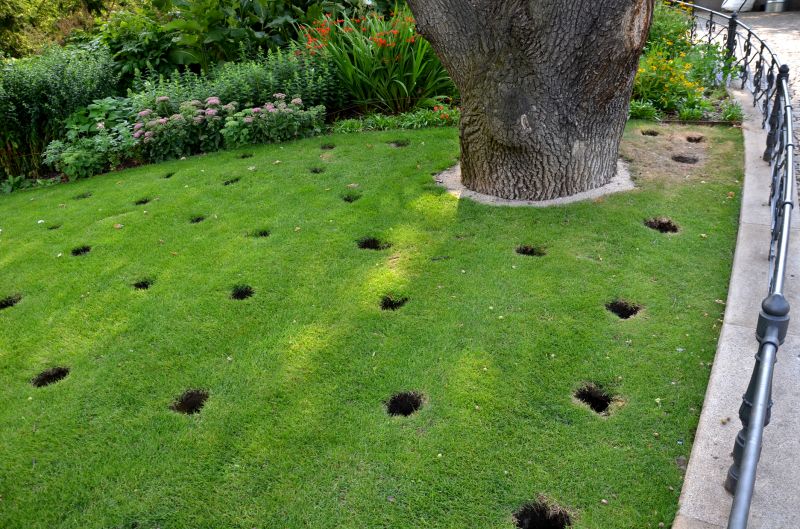
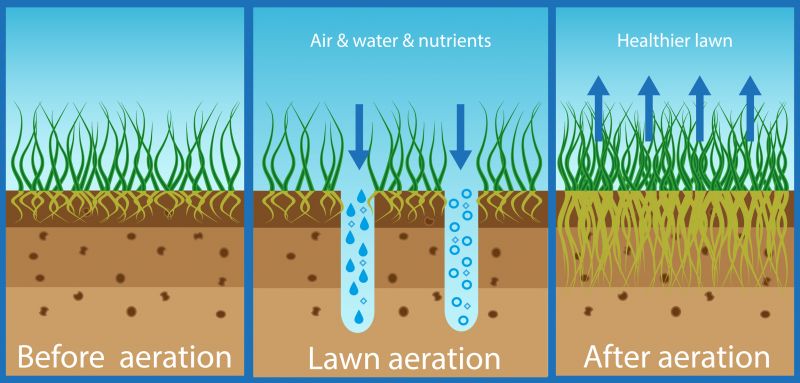
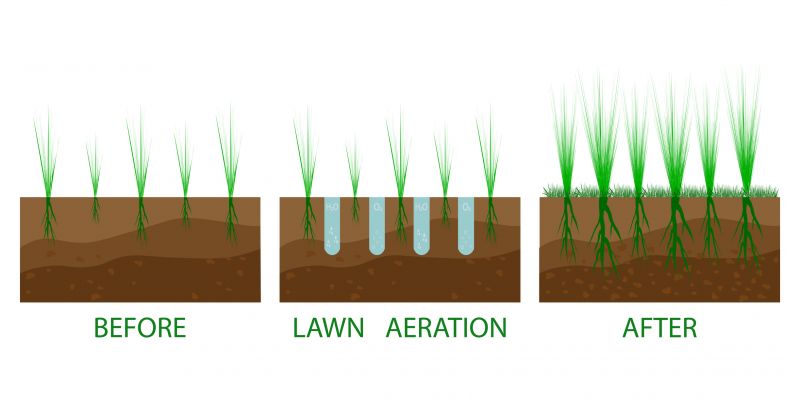
Residential lawn aeration services involve creating small holes in the soil to improve its overall health and vitality. This process typically uses specialized equipment to remove cores of soil or puncture the ground, allowing air, water, and nutrients to penetrate more effectively. Aeration helps break up compacted soil, reduces thatch buildup, and promotes deeper root growth, resulting in a healthier, more resilient lawn. Homeowners may choose to have their lawns aerated during specific seasons or when signs of stress, such as poor drainage or uneven growth, become apparent.
Aeration services are particularly effective in addressing common lawn problems like soil compaction, which can hinder root development and prevent water and nutrients from reaching grass roots. Over time, lawns can develop a dense layer of thatch-dead grass and roots-that prevents proper air exchange and water absorption. Aeration helps alleviate these issues, encouraging stronger grass growth and reducing the likelihood of disease or pest problems. It also enhances the effectiveness of fertilization and overseeding efforts, making it a valuable step in maintaining a lush, healthy yard.
These services are often sought for residential properties with lawns that see frequent foot traffic, heavy equipment use, or compacted soil conditions. They are suitable for a variety of property types, including suburban homes, large estates, and properties with extensive landscaping. Lawns that struggle to recover after droughts or heavy rains, or those with patchy, thin grass, may benefit from aeration. Homeowners who want to improve their lawn’s appearance and durability often turn to local contractors for professional aeration services tailored to their specific yard conditions.
Understanding when to consider lawn aeration can help homeowners maintain a vibrant, healthy outdoor space. Signs that aeration might be needed include water pooling, grass that feels spongy or spongy, or areas where the grass is thinning or struggling to grow. Regular aeration can be an effective part of a broader lawn care routine, especially for properties with dense soil or high traffic areas. Contacting experienced local service providers can ensure the job is done properly, helping to restore and sustain the overall health and beauty of a residential lawn.
The overview below groups typical Residential Lawn Aeration projects into broad ranges so you can see how smaller, mid-sized, and larger jobs often compare in your area.
In many markets, a large share of routine jobs stays in the lower and middle ranges, while only a smaller percentage of projects moves into the highest bands when the work is more complex or site conditions are harder than average.
Basic Lawn Aeration - Most small to medium-sized residential lawns typically cost between $250 and $600. Many routine aeration projects fall within this range, making it the most common option for homeowners. Larger or more complex lawns may require additional services, increasing the overall cost.
Multiple-Visit or Seasonal Services - For properties requiring aeration multiple times a year or across large areas, costs can range from $600 to $1,200. These projects are less frequent but necessary for maintaining healthy, high-traffic lawns. Service providers often offer packages within this price band.
Large or Difficult Landscapes - Properties with extensive or hard-to-access lawns may see costs from $1,200 to $3,000. These projects involve more labor and equipment, and fewer jobs fall into this higher range. Local pros can tailor services based on the size and complexity of the landscape.
Full Lawn Renovation or Major Repairs - Larger, more involved projects, such as complete lawn renovation, can reach $3,000 or more. These are less common and typically involve comprehensive work beyond basic aeration, often requiring specialized equipment and additional services.
Actual totals will depend on details like access to the work area, the scope of the project, and the materials selected, so use these as general starting points rather than exact figures.
Soil Testing and Preparation - Local contractors may perform soil testing and preparation to ensure the ground is suitable for aeration and other turf improvements.
Seeding and Overseeding - Similar to aeration, seeding involves preparing the soil to promote healthy grass growth and can be handled by lawn care specialists.
Topdressing Services - Topdressing involves applying soil or compost to improve lawn health, often combined with aeration for optimal results.
Drainage System Installation - Installing drainage solutions requires planning and ground modification skills related to soil and turf management.
Core Lawn Dethatching - Dethatching removes excess organic matter, requiring similar equipment and planning as aeration to improve turf conditions.
Landscape Grading and Soil Leveling - Proper grading involves soil manipulation skills that are also useful for preparing lawns for aeration and other treatments.
When evaluating local contractors for residential lawn aeration, it’s important to consider their experience with similar projects. A service provider who has handled lawns comparable in size, type, or condition can better understand the specific needs of a homeowner’s yard. Homeowners should inquire about the types of properties the contractor has worked on and ask for examples of past projects that align with their own lawn’s characteristics. This helps ensure that the chosen professional has relevant experience and a track record of delivering quality results in comparable environments.
Clear, written expectations are essential when selecting a service provider for lawn aeration. Homeowners should seek detailed descriptions of the services offered, including the scope of work, methods used, and any preparations or follow-up needed. Having this information in writing helps prevent misunderstandings and provides a reference point for what will be delivered. It also allows homeowners to compare different local contractors more effectively, ensuring that each provider’s offerings align with their specific lawn care goals and needs.
Reputable references and good communication are key indicators of a trustworthy service provider. Homeowners can ask for references from previous clients or look for reviews that highlight the contractor’s reliability and professionalism. Additionally, responsive and clear communication during the inquiry process can reveal how well the contractor understands customer needs and how easy it will be to work with them. While the site introduces homeowners to local options, it’s important to remember that the actual work will be performed by these experienced service providers, making careful comparison a valuable step in finding the right fit for lawn aeration needs.
Property owners use Residential Lawn Aeration services for practical projects around their homes and businesses. This guide focuses on everyday jobs and straightforward project options.
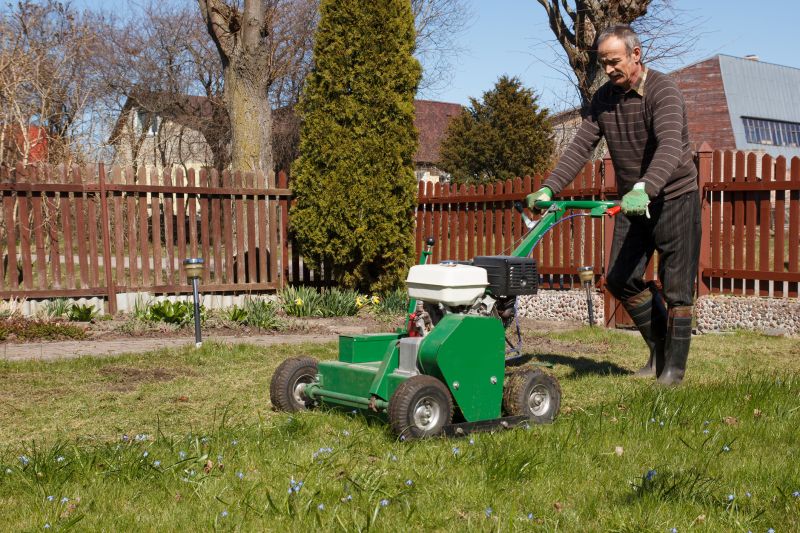
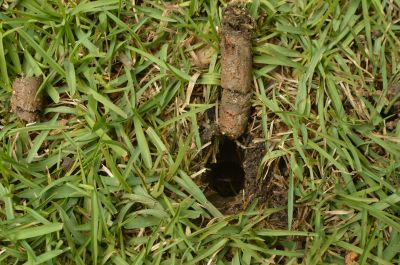
Residential lawn aeration is a common service sought by property owners looking to improve the health and appearance of their lawns. Homeowners may notice areas where the grass appears thin, uneven, or struggles to recover after heavy use or during seasonal changes. Local contractors offering lawn aeration can help alleviate soil compaction, allowing air, water, and nutrients to reach grassroots more effectively, which promotes a lush and vibrant yard.
Many property owners seek lawn aeration services to prepare their lawns for seasonal growth or to address issues caused by heavy foot traffic, drought, or compacted soil. Regular aeration can also enhance the effectiveness of fertilization and overseeding efforts. Local service providers are equipped to handle these everyday situations, providing solutions that support healthier, more resilient lawns for residential properties.
What is lawn aeration? Lawn aeration involves creating small holes in the soil to improve air, water, and nutrient penetration, promoting healthier grass growth.
Why should I consider lawn aeration? Aeration can help reduce soil compaction, improve root development, and enhance overall lawn health and appearance.
How do local contractors perform lawn aeration? They typically use specialized equipment to perforate the soil, either manually or with machines, to ensure proper soil aeration tailored to your lawn's needs.
Is lawn aeration suitable for all types of lawns? Most lawns benefit from aeration, especially those with heavy foot traffic, clay soil, or signs of compaction, but it's best to consult local service providers for specific advice.
How often should lawn aeration be done? The frequency depends on soil and lawn conditions; many lawns benefit from aeration once or twice a year, which local pros can help determine.
Improve Lawn Health - Aeration helps reduce soil compaction, allowing nutrients and water to reach grass roots more effectively.
Prepare for Seeding or Overseeding - Aerating the lawn creates ideal conditions for new grass to establish and grow densely.
Reduce Thatch Buildup - Regular aeration can help break down excess thatch, promoting a healthier, more resilient lawn.
Enhance Drainage - Aeration can improve water absorption, reducing puddles and runoff after heavy rains.
If you are thinking about Residential Lawn Aeration for a property, this guide is meant to help you understand the work, the typical project types, and how different options might fit your plans.
When you are ready, you can use the quote form on this page to share a few details about your project. From there, local pros can review the basics and respond with options that match what you have in mind.